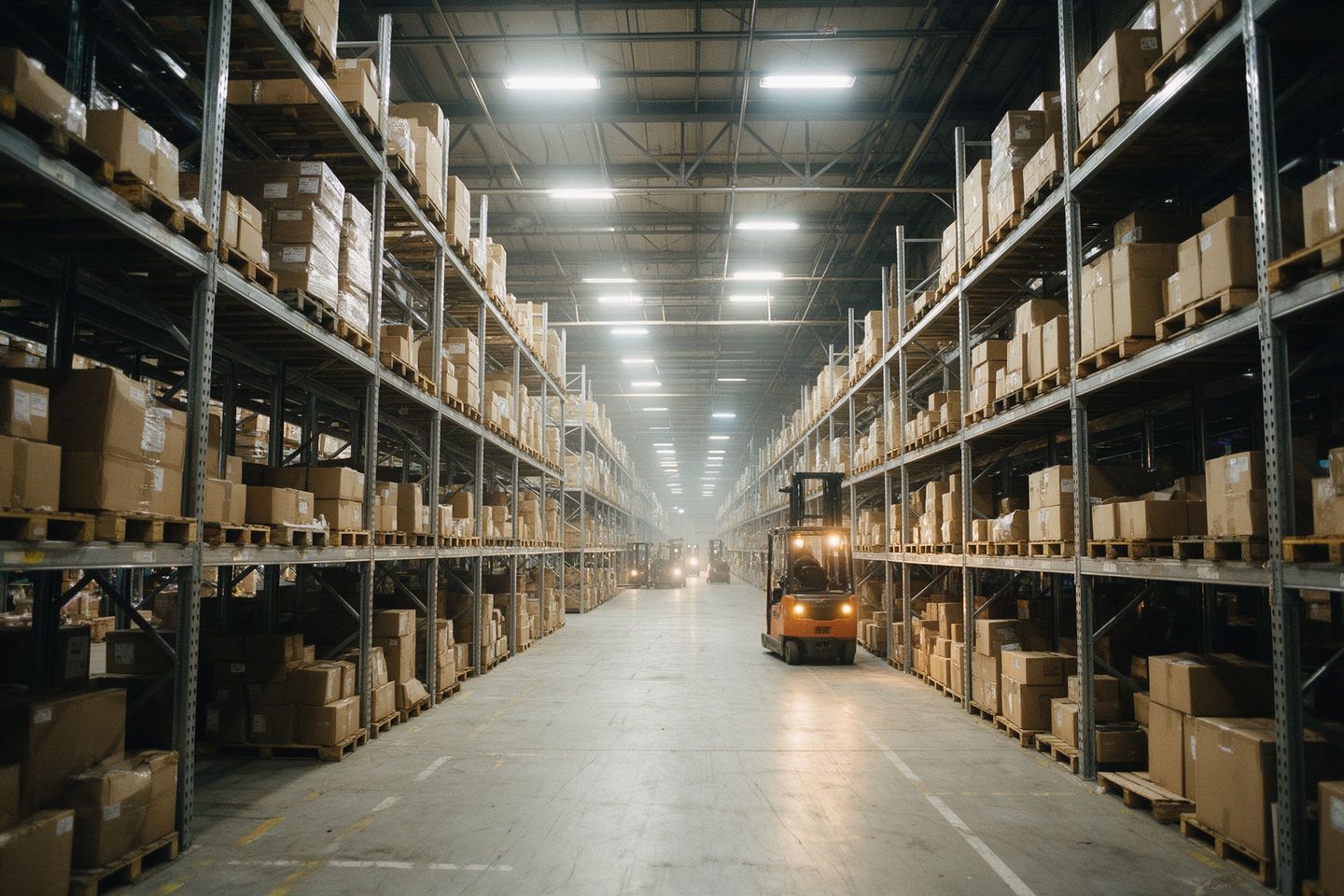
The cut started as a spreadsheet exercise: list every SKU, its twelve-month sell-through, and the labour it takes to pick, pack and count it. Of 410 lines, 84 had sold fewer than 30 units in a year and accounted for 11 percent of warehouse pick time.
Removing them cost 4 percent of revenue and saved 9 percent of operating cost. The margin moved from 38 to 44 percent, because the fixed cost per order did not fall when the order got smaller — it stayed and was spread across fewer lines.
Why nobody asked for them back
Retail buyers complained for one season. Then they noticed that the catalogue was easier to read, that the bestsellers were in stock more often, and that a reorder arrived faster because the pick face was smaller. Two buyers who threatened to leave now order more units per line than they did before the cut.
The long tail has a second cost that rarely appears in the analysis: it consumes the attention of the person who owns the assortment. A range of 410 lines needs a merchandiser who knows 410 things. A range of 326 needs one who knows the 40 that matter and can spend the rest of the week on the next launch.
The cut is not permanent. Six of the removed lines have returned in seasonal form, ordered in smaller quantities against pre-sales rather than held in stock. The distributor describes this as renting the SKU rather than owning it, which is a cheaper way to test whether the demand was real.
Key takeaways
- Cutting 84 slow lines cost 4 percent of revenue and 9 percent of operating cost.
- Gross margin rose from 38 to 44 percent because fixed cost per order stayed and spread across fewer lines.
- Seasonal pre-sale ordering lets a distributor test a SKU without holding it.