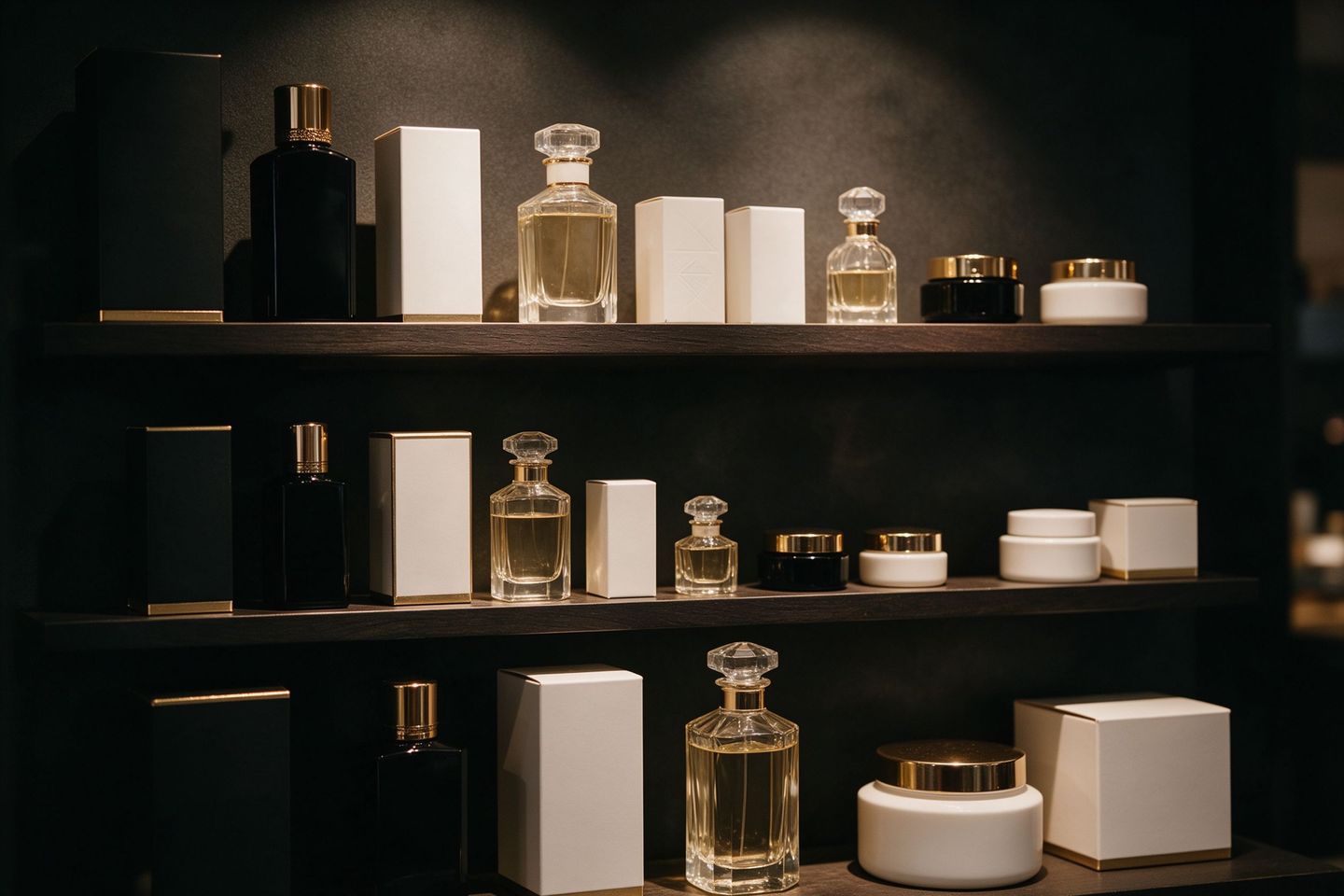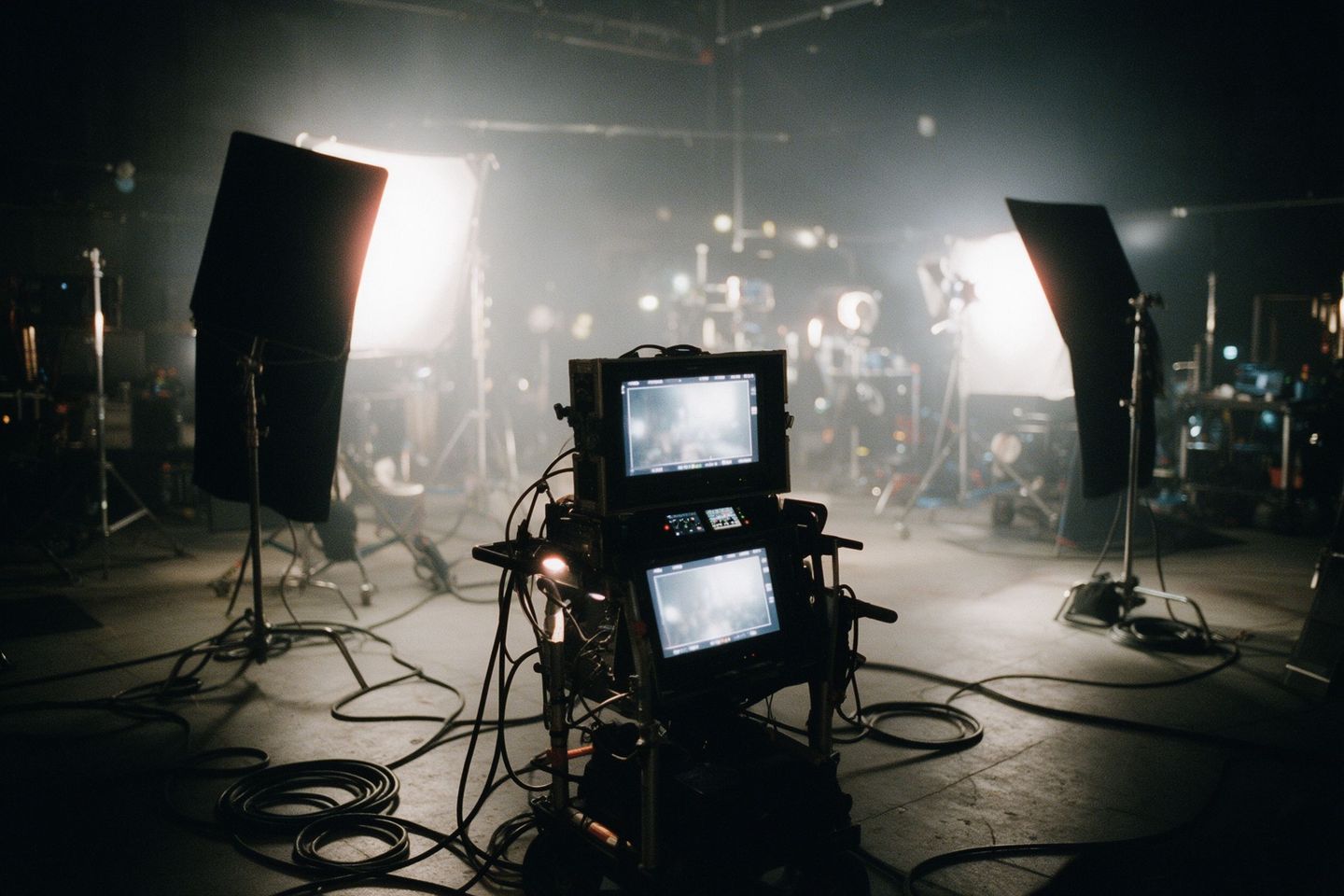
A full product shoot used to cost $2,500 to $6,000 per launch once studio time, retouching and usage rights were counted. Three novelty brands now shoot in-house with a phone, a ring light and a folding table, and publish the images the same afternoon.
The quality is visibly lower. Backgrounds are uneven, shadows are wrong and two of the brands still have a supplier's crate visible in the corner of a hero image. Conversion, measured on 90 days of A/B tests, moved between minus 3 and plus 6 percent, which is to say it did not move.
What photography was actually buying
Consistency, not beauty. A catalogue shot on the same background with the same light tells a buyer that the products belong together, and that is the thing a freelance shoot provides. Brands that insourced kept the consistency by fixing the setup: one table, one light position, one crop ratio, and a written guide that a new hire can follow.
The savings went somewhere specific: 60 percent of the freed budget moved to video, which is now the format that carries a launch. A 15-second loop shot on the same table costs almost nothing extra and outperforms the still image on every channel the brands measure.
The risk is drift. Without a photographer in the room, the setup slowly changes, and a catalogue shot in March stops matching one shot in November. The three brands that held quality wrote the setup into an onboarding document and re-shoot one reference product every quarter to check the light has not moved.
Key takeaways
- In-house phone-and-light shoots cut launch photography from $2,500–$6,000 to near zero.
- Conversion moved between −3 and +6 percent; consistency, not beauty, was what the shoot was buying.
- Roughly 60 percent of the saved budget moved to short video.